How to Migrate from Thunkable: A Founder's Guide to Rebuilding Your App
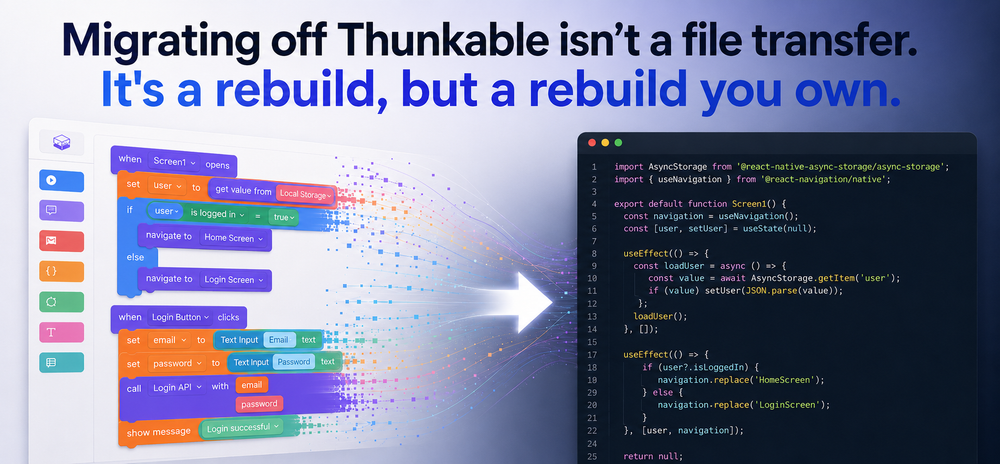
Thunkable doesn't let you export your source code, so migrating means a rebuild. Here are your four options and how to move without losing users or reviews.
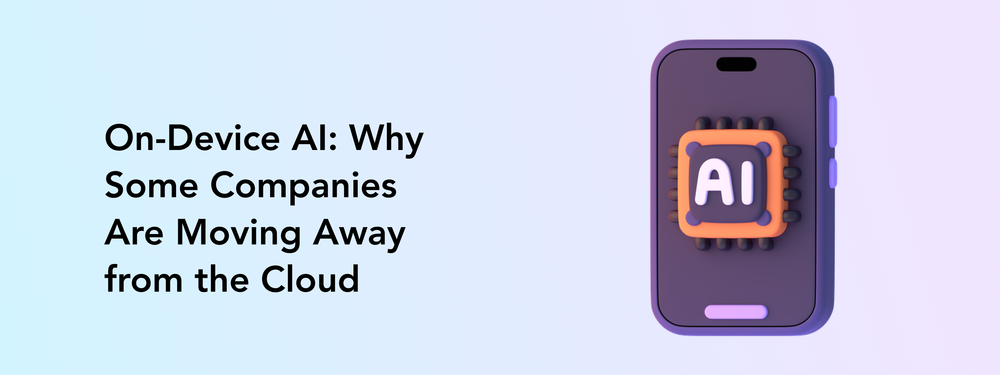
For the past three years, "AI strategy" mostly meant "which API do we call." That's changing. A growing number of product and engineering teams are pulling specific AI workloads out of the cloud and running them directly on the user's device.
Our AI travel planner has generated 1.2 million trip plans. Here's where users trusted it enough to book, where they walked away, and the design patterns that changed it.
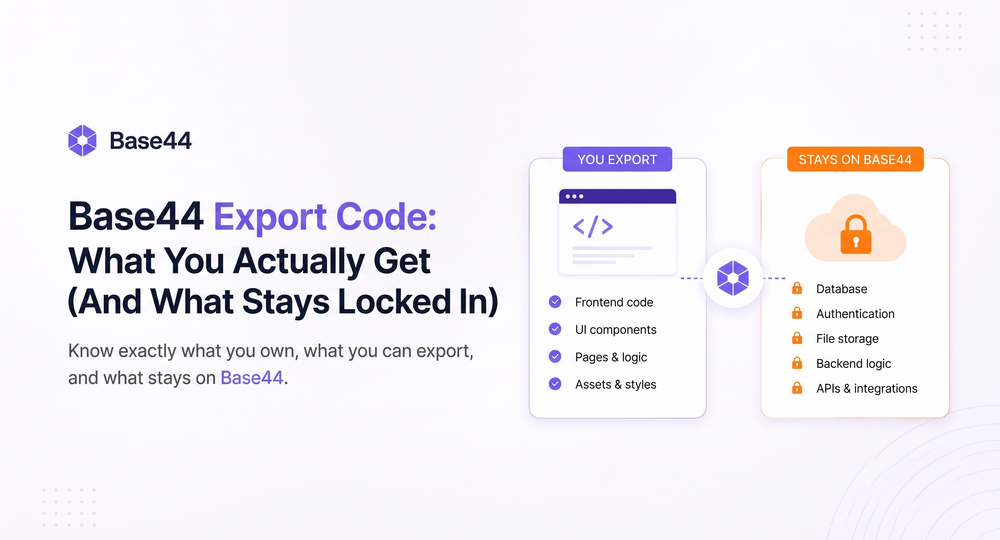
Base44 exports only your frontend. The database, login, and business logic stay on its servers. Here's what that means and how to migrate.
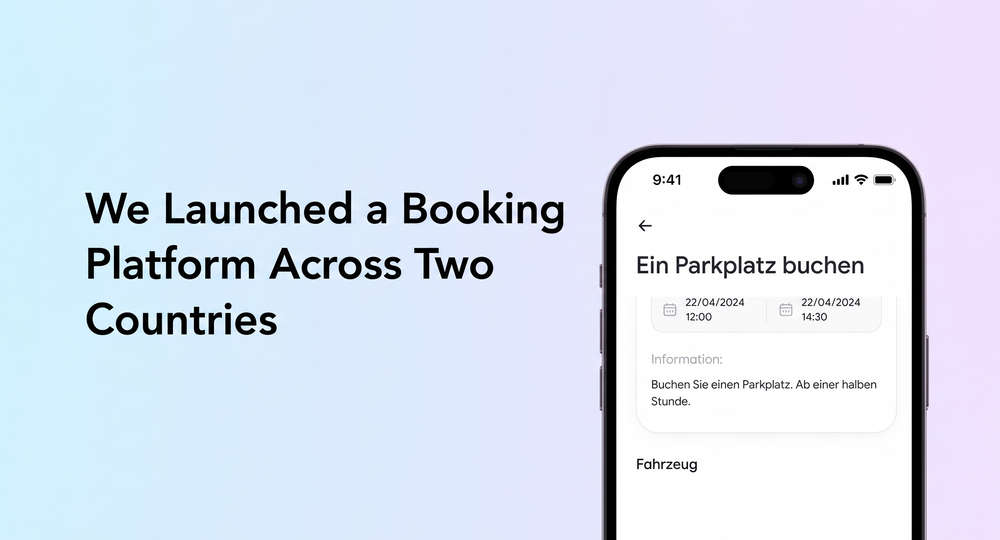
We built a booking platform for a client operating in two markets. The core logic, search, availability, and reservations, worked fine. Launch in market one went smoothly. Then came market two, and things started breaking in places we hadn't looked.
Base44 is one of the most talked-about vibe-coding tools right now. You describe what you want, and it generates a working web app: database, UI, and logic included. For the right use case, it’s genuinely impressive.
In this article, we’ll look at how this changes the development process in practice. From traditional workflows to AI-supported ones, and what that means for speed, quality, and overall cost.
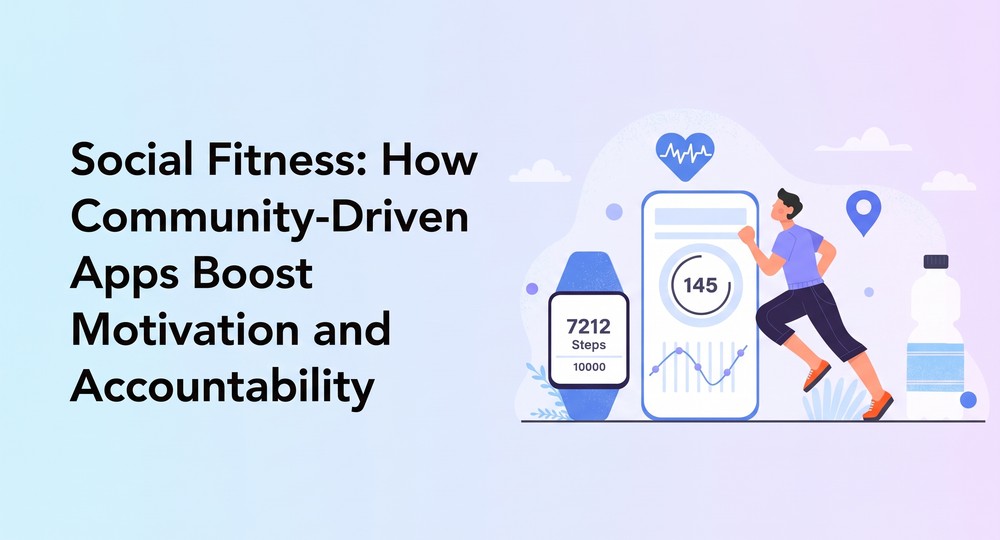
Let’s be honest, we all know the struggle of convincing yourself to go to the gym. Some days, the motivation is just not there. And yet, a couple of things always seem to help: reward and accountability.
With cross-platform frameworks like Flutter, the answer is yes. Startups can get two working apps for the cost of nearly one, because there’s one codebase, one team, one set of shared UI components.