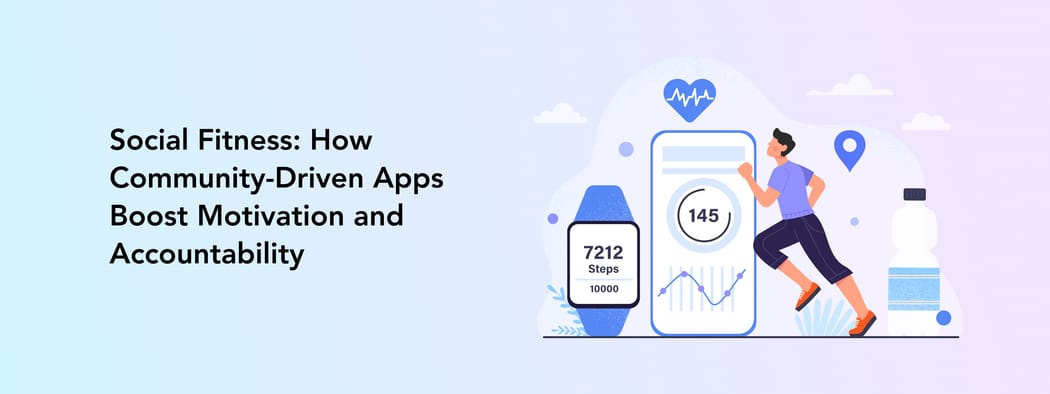
Let’s be honest, we all know the struggle of convincing yourself to go to the gym. Some days, the motivation is just not there. And yet, a couple of things always seem to help: reward and accountability.
If you made a plan for a Sunday morning run with a friend, now you kind of have to go. And if you promised yourself a nice matcha afterward, that’s a solid extra push too.
So what if you could bring that same sense of community, support, and gentle pressure into a mobile app? That’s exactly what social fitness apps do and why they’re taking off right now.
In this article, we’ll walk you through why community-driven workouts work, what features matter, real examples from the market, and how your team can build a social fitness app people actually want to use.
What Are Social Fitness Apps?
Social fitness apps are mobile apps that bring workouts, community, and accountability into one place. Instead of training alone, users get to track progress, stay motivated, and move toward their goals together.
More and more people are shifting from simple solo tracking apps to platforms built around community and shared experiences. It’s not only about counting steps anymore but about feeling supported and staying consistent.
Here are a few common mechanics you’ll see in social fitness apps:
- challenges with friends or groups
- goal setting and progress tracking
- achievement badges and streaks
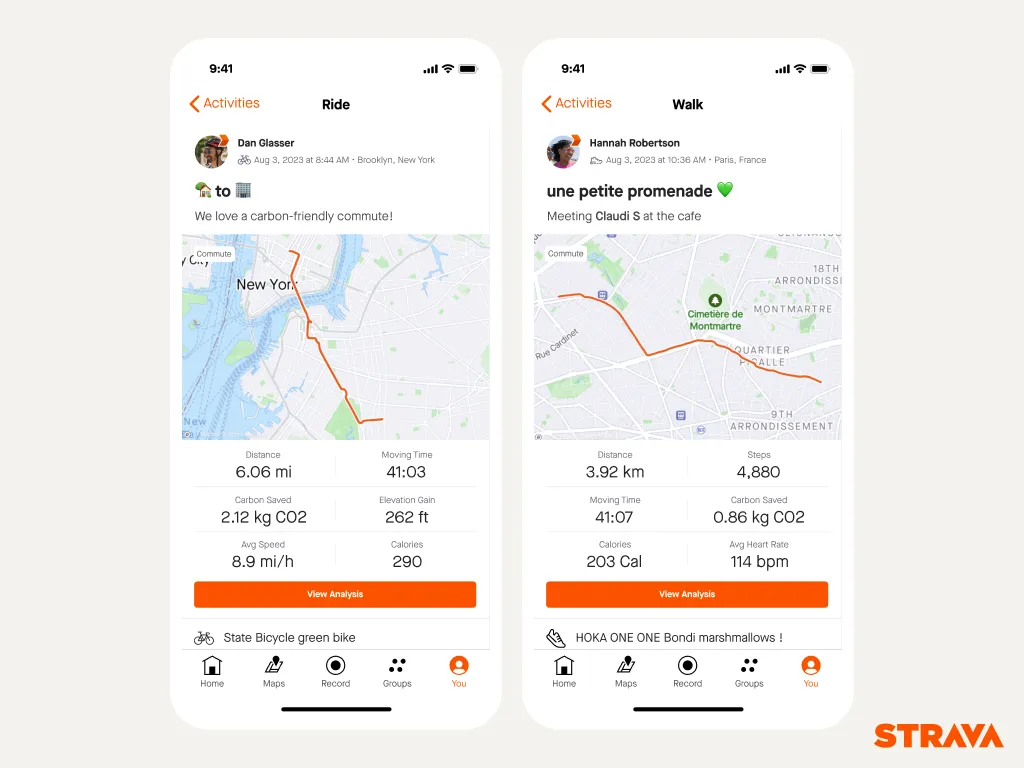
- sharing photos, routes, or workout summaries in a feed
- joining communities based on goals or interests
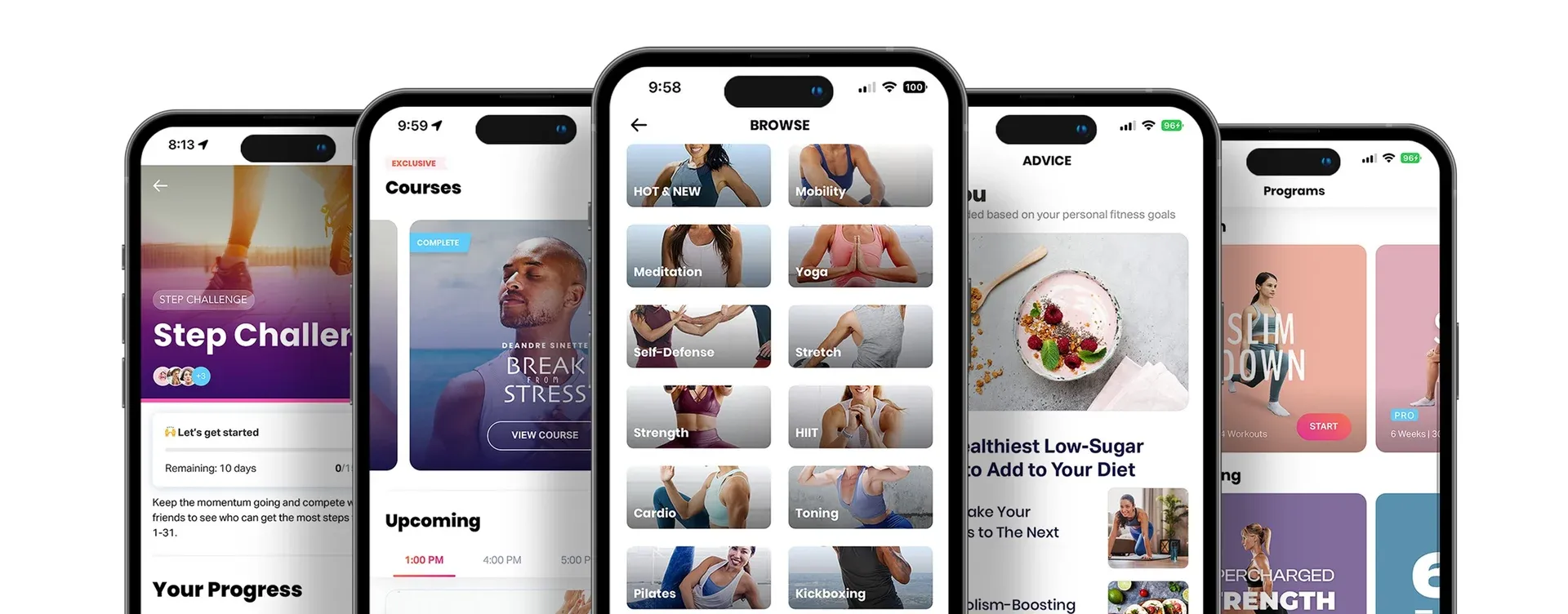
Some great examples include Strava, FitOn, and Nike Run Club, all using community-driven features to keep users engaged and motivated.
Key Benefits of Social Fitness Apps
Social fitness apps are not just tools for logging workouts. When designed thoughtfully, they turn everyday exercise into a shared experience that feels motivating, supportive, and genuinely fun. Here is why these platforms work so well.
Motivation through community
Encouragement, likes, comments, and friendly challenges give users an extra push to stay active. A recent study found that fitness app features that support both personal tracking and community interaction significantly improve exercise adherence and social engagement, especially for beginners.
Accountability and consistency
When people know that others can see their progress, skipping a workout feels harder. Regular tracking combined with social visibility helps users stick to routines for longer periods of time. Research confirms that this combination reduces dropout rates and increases long term commitment.
Gamification makes fitness fun
Badges, levels, streaks, leaderboards, and other game inspired features create a sense of achievement that keeps users coming back. These mechanics make fitness feel less like a task and more like an enjoyable challenge.
Support at any level
Beginners, experienced athletes, and everyone in between can find their own community. Users can join challenges, follow people with similar goals, and feel supported by a group that understands their pace.
Better retention for businesses
For app developers and companies, social interaction and gamification help maintain higher engagement and stronger long term retention. People stay active for longer periods of time when the app offers connection, encouragement, and community.
Together, these benefits show how social fitness platforms create a complete experience built on motivation, consistency, fun, and support.
This leads naturally to the next part: the core features your team can include to bring these strengths into your own product.
Essential Features of a Successful Social Fitness App
A great social fitness app goes beyond simple workout tracking. It builds an environment where users feel motivated, connected, and supported while making progress toward their goals. These are the features that make it happen.
Activity tracking and progress sharing
Users want to see their progress and share it with others. Steps, completed workouts, calories, or running routes become easy conversation starters inside the app.
Challenges and competitions
Friendly challenges help users stay motivated. Group events, competitions between friends, and monthly goals keep people coming back for more.
Live or group workouts
Live sessions and group classes create a feeling of training together. Streaming, co training, and online workouts help users stay active even when they are not physically together.
Social feed and reactions
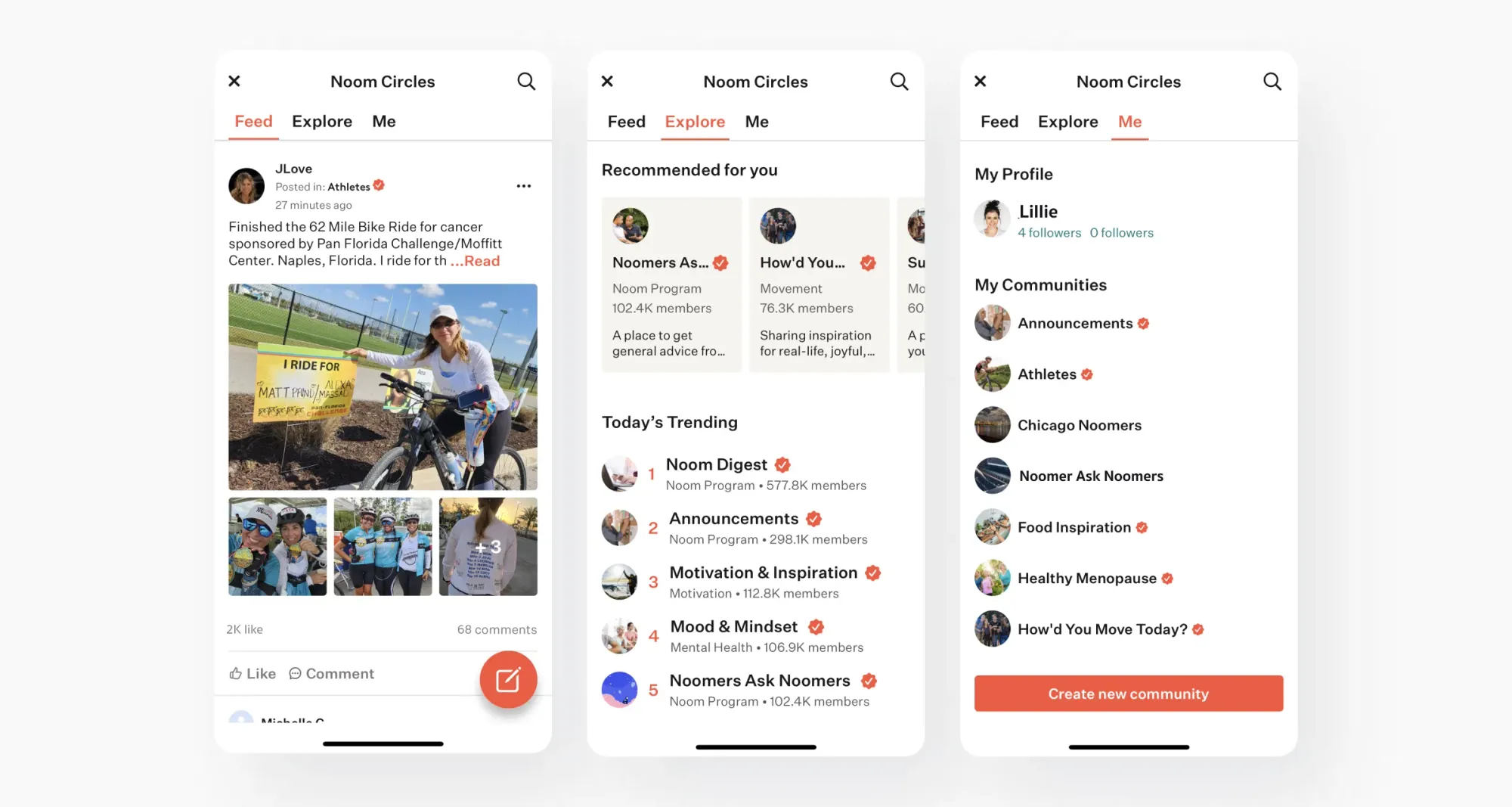
Posts, stories, comments, and likes create a sense of community. This is where users share wins, ask questions, and celebrate achievements.
Group chats and communities
Micro communities help people find their space. Users can join groups based on interests like running, yoga, or strength training and connect with others who follow similar routines.
Personalized recommendations
AI driven suggestions help users stay on track. The app can offer workouts based on personal goals, past activity, and preferences.
Wearable device integrations
Integrations with devices such as Apple Watch, Fitbit, Garmin, smart scales, or heart rate monitors make tracking seamless and more accurate.
Together, these features shape a fitness experience that feels social, supportive, and engaging. Now your development team can focus on how to bring these elements to life in a way that fits your product vision.
Fitness App Monetization Models to Consider
A strong community is what keeps users coming back, but a social fitness app also needs a business model that supports long-term growth. Here are the most effective ways to monetize without breaking the user experience.
Subscription plans
Monthly or yearly subscriptions unlock premium features such as advanced progress insights, deeper personalization, exclusive workout programs, or access to private communities. This model works especially well when users see continuous value and new content added regularly.
In-app purchases
Instead of committing to a subscription, users can buy individual training plans, specialized challenges, nutrition guides, or detailed performance reports. This gives people flexibility while still generating steady revenue.
Branded challenges
Partnering with sports brands, wellness companies, or even local gyms helps create sponsored challenges that reward users with discounts, merch, or exclusive badges. It brings fresh content to the app while opening an additional revenue stream.
Coaching sessions
In-app personal coaching can be introduced through chat, video calls, or tailored workout plans. This works well for people who want accountability and structure, and it offers a high value add-on for the app.
Integration with gyms or sports brands
Gyms and fitness brands can offer special perks, class passes, or loyalty rewards directly through the app. The brand gains visibility and potential customers, while your app becomes the bridge that connects users with real world fitness opportunities.
With the right mix of these monetization paths, your team can build a social fitness app that users love and one that can grow and scale sustainably.
Real Examples: What Top Apps Are Doing Right
It’s always helpful to look at how leading apps approach social fitness. Here are a few strong examples your team can learn from, along with practical takeaways you can apply in your own product.
Strava
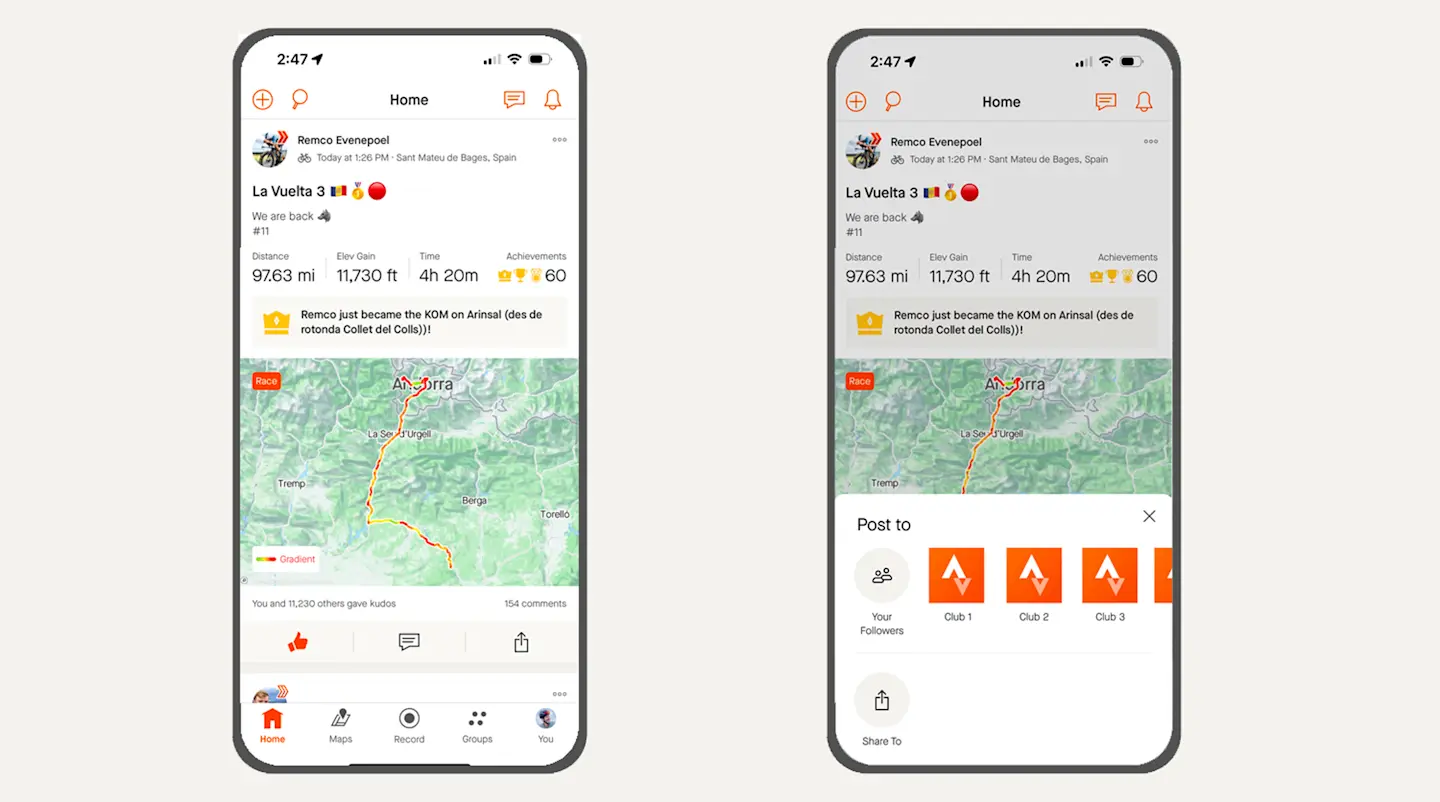
Strava built an entire fitness culture around community. Its activity feed, kudos, clubs, and global challenges turn solo workouts into shared experiences. The key insight is that users stay more consistent when they feel part of something bigger.
FitOn
FitOn focuses on accessibility through free group classes and live sessions with real trainers. People can join workouts with friends, compare progress, and motivate each other. The main takeaway is that social energy and low entry barriers keep users coming back.
Nike Run Club
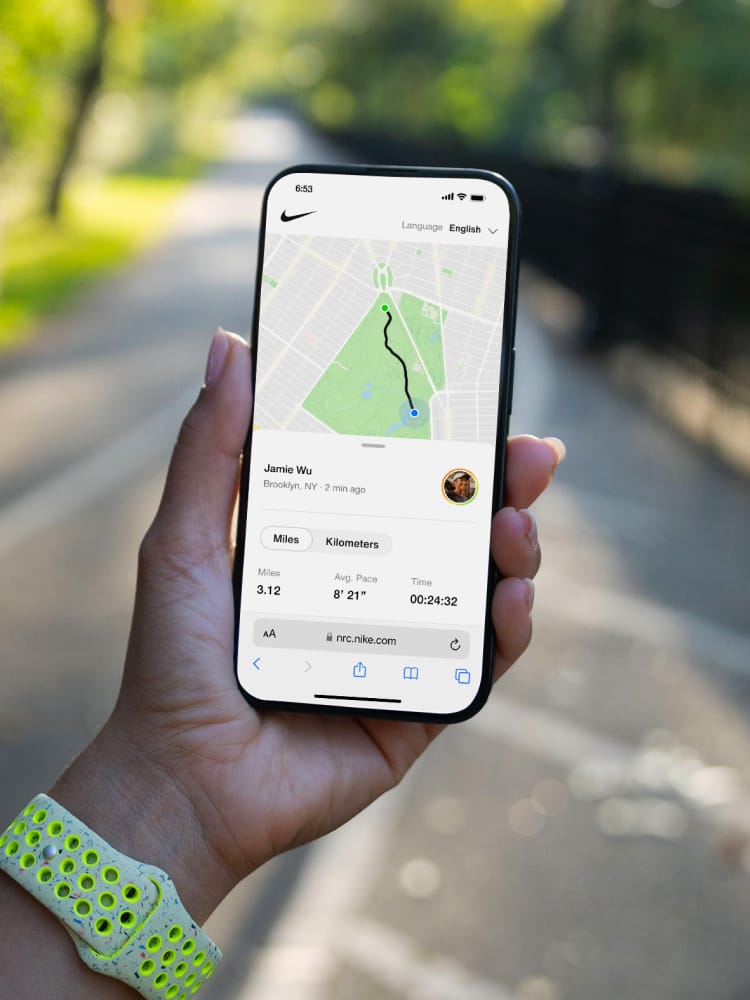
Nike Run Club blends personal coaching with social motivation. Guided runs feel like having a coach running alongside you, while milestones, leaderboards, and friend activity build strong community engagement. The insight here is that smart coaching combined with a social layer is a powerful retention driver.
MyFitnessPal
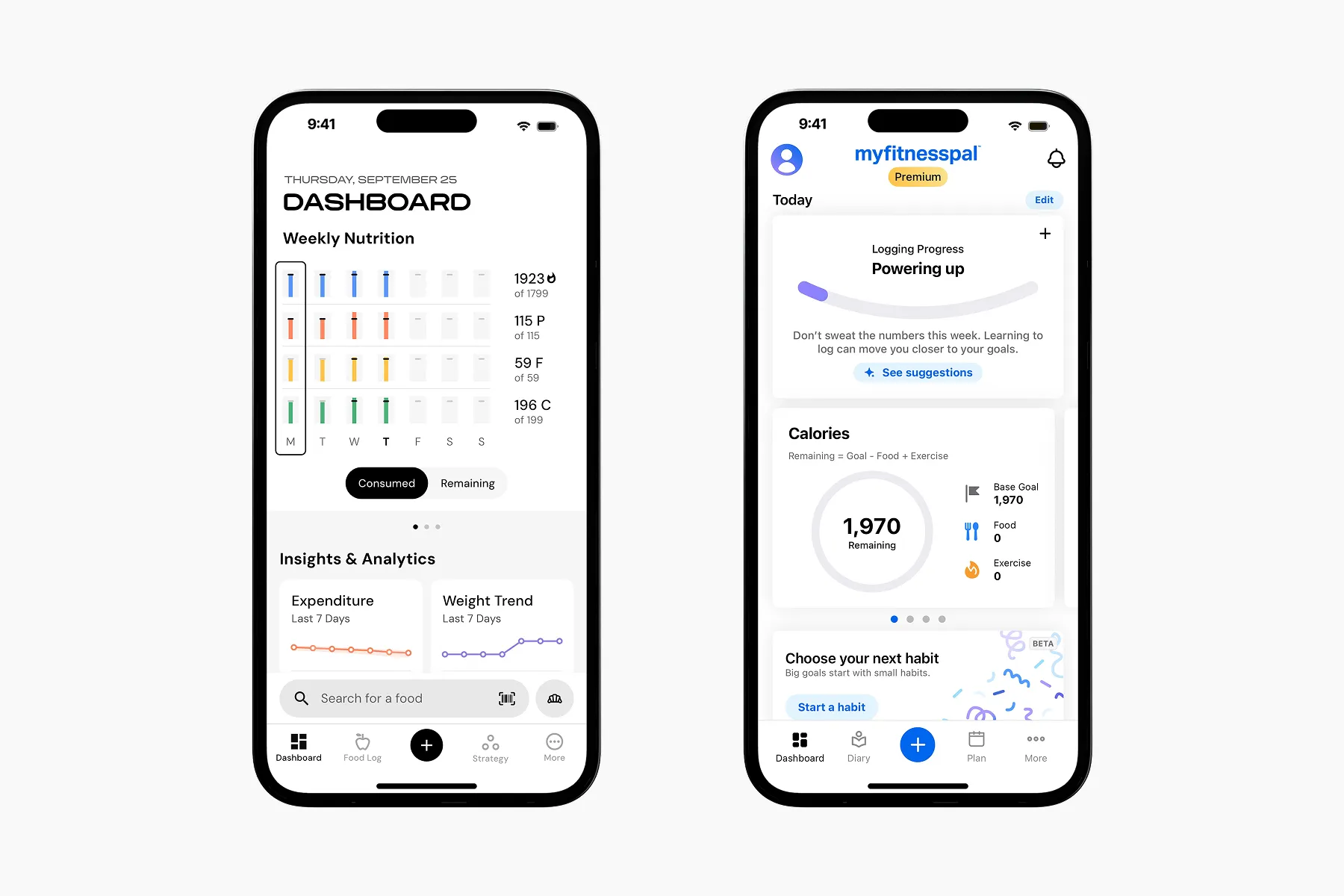
MyFitnessPal started as a tracking tool but evolved into a supportive community through forums, streaks, and shared goals. Users don’t just record data, they share wins and get encouragement. The takeaway is that even a tracking-focused app becomes more engaging when community features are woven in.
These examples highlight one thing: fitness becomes far more sustainable when it’s social. And that’s exactly the opportunity your team can build on in the next feature set.
How Your Development Team Builds a Social Fitness App
Building a social fitness app means creating a product that is technically strong while also making users feel supported, motivated, and part of a real community. Here is how your team approaches this process from idea to launch.
Research and feature prioritization
Your team begins by understanding the fitness niche you want to target and the social elements your users care about most. This includes reviewing competitors, reading user feedback on existing apps, and mapping the features that will differentiate your product.
It’s also where your team identifies which social mechanics will create the strongest sense of community, such as activity feeds, group chats, friend challenges, and progress sharing.
Designing intuitive UX and UI
A social fitness app should feel simple, energetic, and fun. Designers craft user flows that make tracking activities, joining challenges, and engaging with the social feed effortless. The interface must support quick interactions like posting a run, reacting to a friend’s workout, or exploring group challenges. Prototypes are often tested with real users to confirm that the social components feel natural rather than overwhelming.
Native or cross-platform app development
Once the design is set, developers implement all the core functionality. This includes activity tracking, syncing workout data, building the activity feed, enabling reactions and comments, and supporting live or group workouts.
You can choose between native development for iOS and Android or a cross-platform approach like Flutter. Your team ensures everything loads quickly, even during high-engagement moments like group challenges or peak workout times.
AI-powered personalization
AI features make the experience feel tailored to each user. This may include personalized workout suggestions, adaptive goals, smart streaks, and feed recommendations based on interests or activity level. AI can also help highlight relevant groups or challenges, making the community feel welcoming from day one.
Quality assurance and testing
QA specialists test the app across different devices, wearables, and connection conditions. They check how well the social feed updates in real time, whether notifications arrive on time, and how the app behaves during outdoor workouts or high activity. The goal is to make sure every social interaction and tracking feature works smoothly.
Launch and support
Once the app passes testing, it’s ready for release. After launch, your team monitors user behavior to see which social mechanics drive the most engagement and where users might drop off. This feedback guides future updates, new challenge formats, community features, and performance improvements.
By moving through each of these stages, your team creates a social fitness app that feels supportive, motivating, and truly community-driven; exactly what keeps users coming back and helps the app grow naturally.
A Social Fitness App Case by Perpetio
Burn is a fitness app Perpetio created together with well-known fitness influencers, designed around one simple idea: people stay motivated when progress feels fun and social. Instead of only tracking workouts, Burn turns daily activity into a shared challenge.
Users collect Burn Points for completing workouts, sharing their results on social media, inviting friends, and staying consistent. A monthly leaderboard adds friendly competition, while social mechanics such as reactions, posts, and community challenges help users cheer each other on.
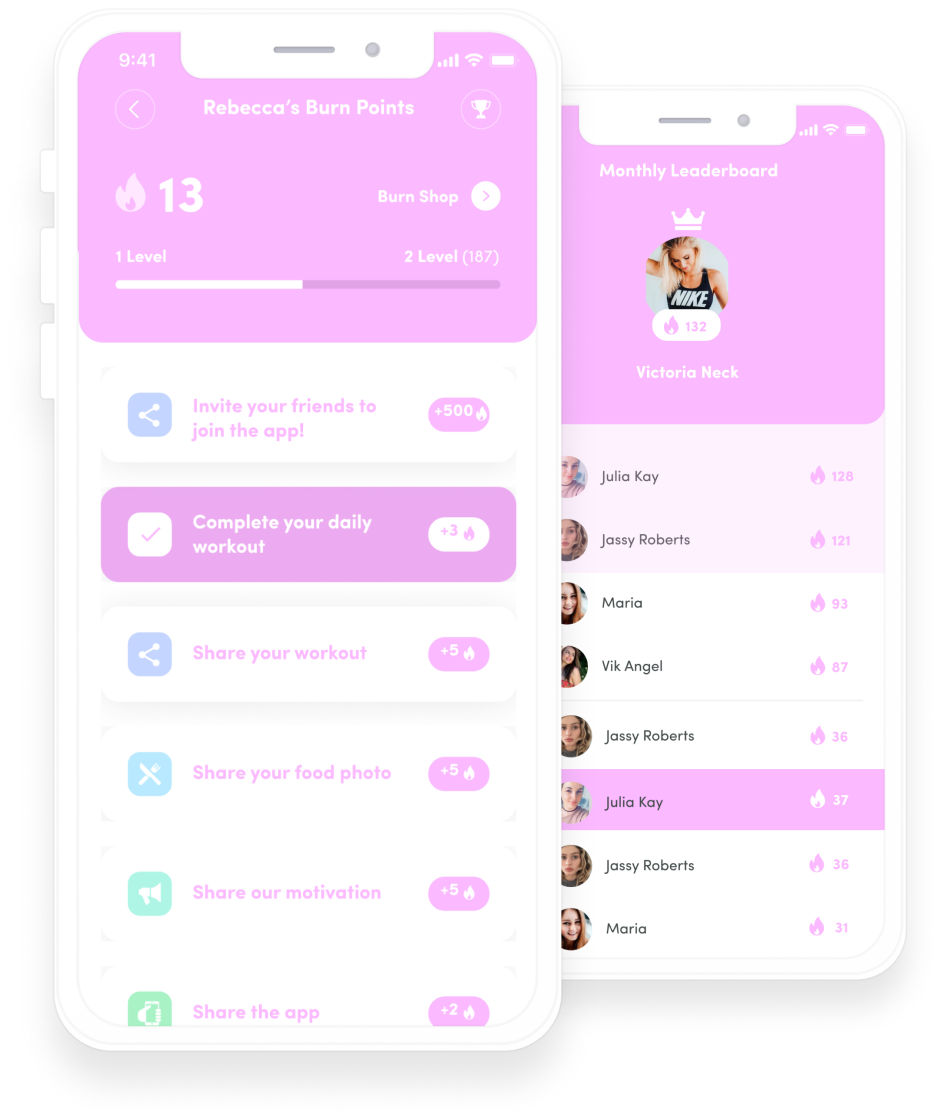
The Burn app shows how powerful gamification and social features can be when paired with a clean design and a smooth user experience. It’s a strong example of how your development team can turn a fitness concept into an engaging product that grows through community.
Consider Perpetio Your Trusted Partner
Building a fitness app is easier when your development team truly understands the product, the niche, and what motivates users to stay active. At Perpetio, your developers combine product thinking, design expertise, and deep technical experience to create fitness apps that feel personal, engaging, and ready to scale.
Whether you want to build a fitness app from scratch or add new social, AI, or wearable features to an existing product, your tech partner is here to help. The team guides you through research, UX/UI, development, testing, and launch, always keeping your business goals and user experience in focus.
If you’re looking to hire app developers or searching for a fitness app development company that treats your product like its own, Perpetio is here for you.
Ready to bring your idea to life? Reach out for a free consultation. Let’s build something users will love.