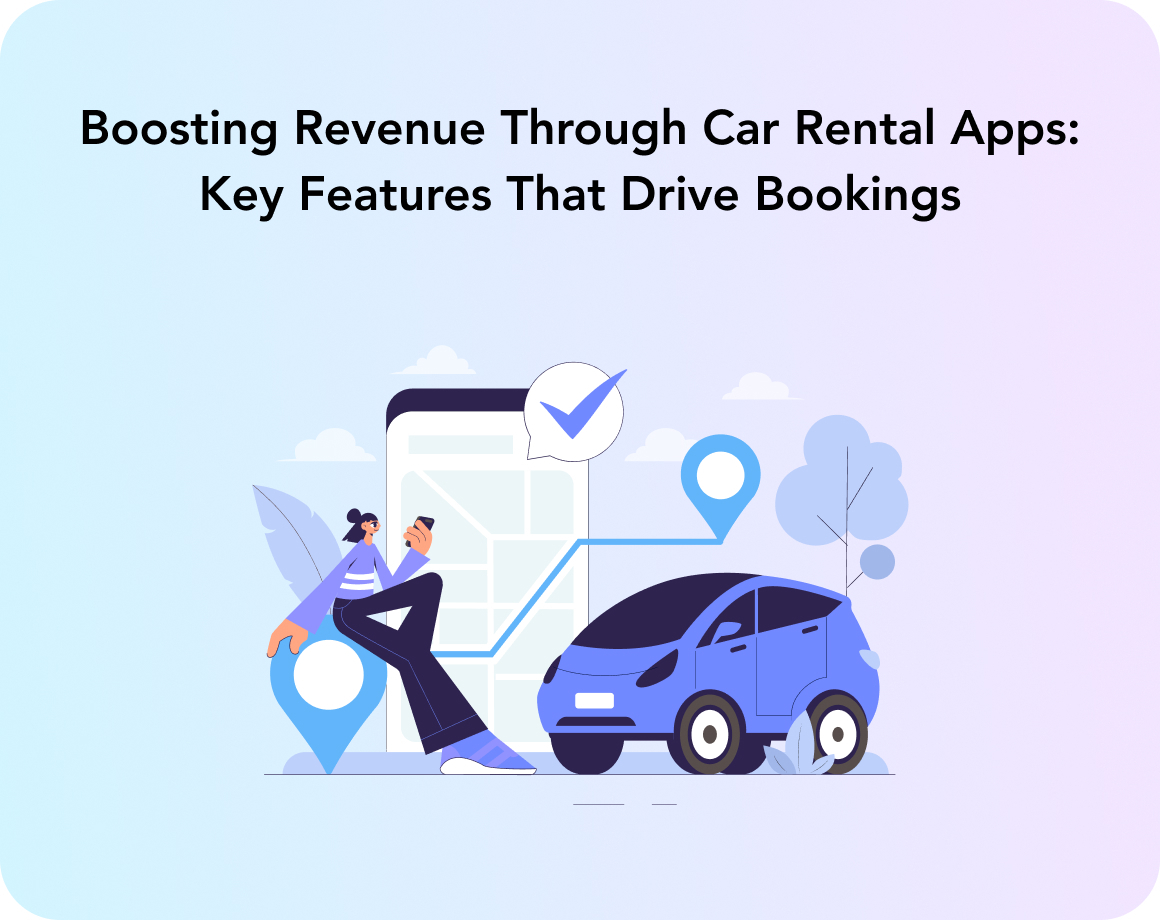
Car rental is no longer just about having cars available. It’s about how easy it is for people to book them. Apps like Zipcar and Turo have set a clear expectation: users want to handle everything in a few taps, without calls, emails, or back and forth.
That’s why more local and traditional car rental businesses are moving online. When someone needs a car, they want to open an app, see what’s available, book it right away, and move on with their day. Convenience is no longer a nice bonus. It’s the baseline.
But simply having an app doesn’t guarantee results. To bring steady bookings and revenue, a car rental app needs to be thoughtfully designed. It should feel intuitive for users and, at the same time, support the business behind it.
So how do you build a car rental app that people actually use and that helps your business grow? Let’s take a closer look at the must-have features and monetization models that make a real difference.
Business Models for Car Rental Mobile Apps
Before building a car rental app, it’s important to understand which business model fits your goals, audience, and operational setup.
Different models solve different user needs, and the right choice directly affects revenue, scalability, and app features.
Below are the most common and effective business models used in modern car rental apps.
Peer to peer car sharing
Peer to peer car sharing allows individuals and businesses to rent out their vehicles through a single platform. The app acts as a marketplace, connecting car owners with people who need a car for a short period.
This model works well for users who want flexibility and variety. They can choose cars by location, price, brand, or even driving experience. It’s especially popular among travelers, people who want to test a specific car model, or those who need a temporary replacement.
For businesses, this model reduces the need to maintain a large fleet while earning revenue through commissions, service fees, or insurance add ons.
Well known examples include Turo, which operates across the US, Canada, and the UK, and Getaround, which focuses on short term rentals with stricter vehicle requirements.
Self drive car rental
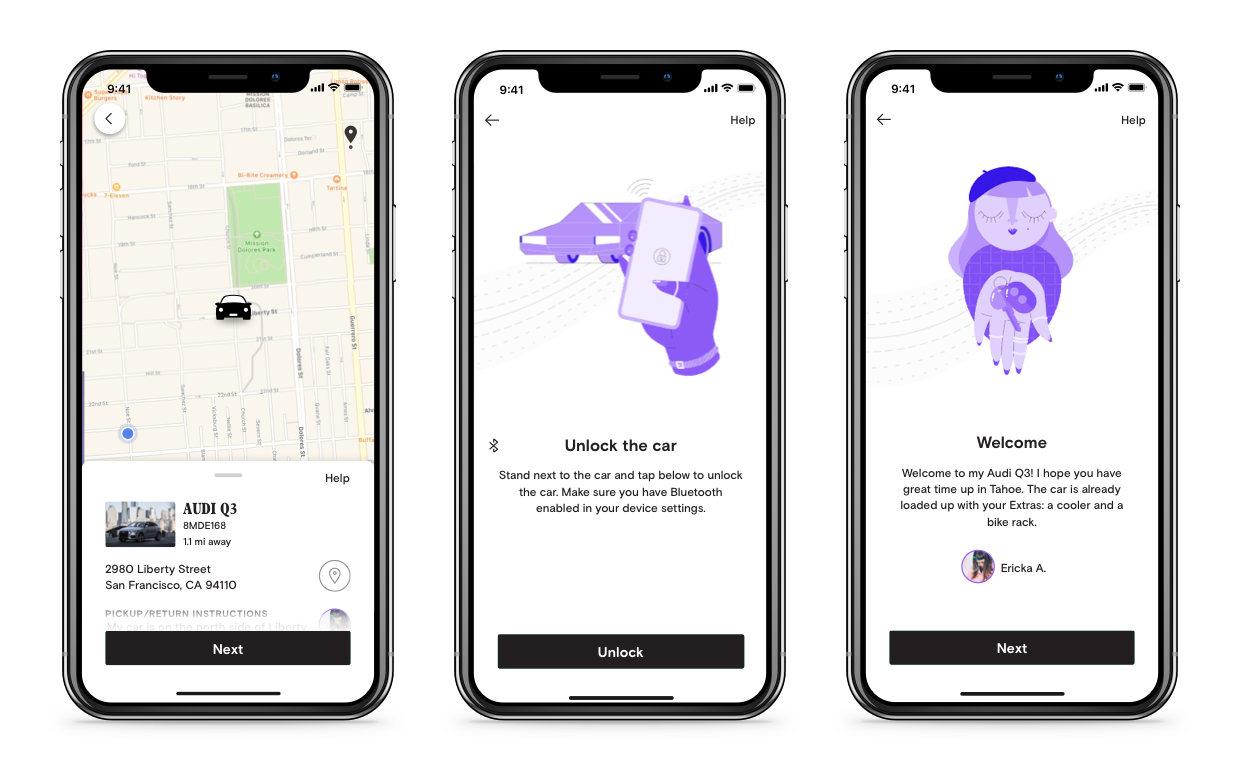
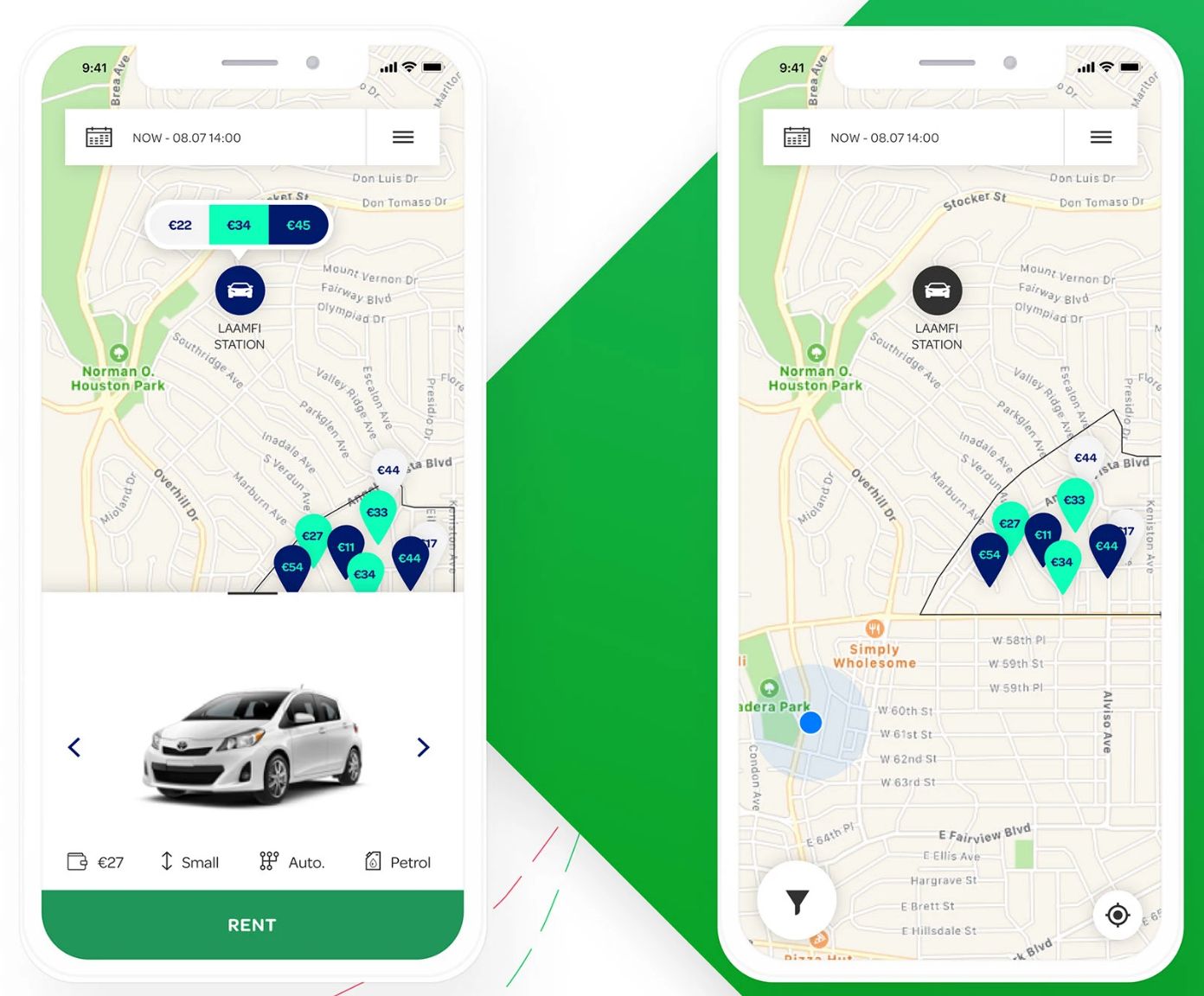
Self drive rental apps are built around a company owned fleet. Users browse available cars, book them for a selected period, pick them up from a designated location, and drive on their own.
This model is common among traditional rental companies moving into mobile. It’s ideal for customers who have a driving license but don’t own a car, need one temporarily, or prefer renting over buying.
Self drive apps usually support daily, weekly, or hourly rentals and often include options to extend the booking directly in the app. Revenue comes from rental fees, upgrades, insurance, and additional services.
Popular examples include Rentalcars, which operates globally, and Europcar, which allows users to book cars in multiple countries and choose convenient pickup locations.
Long-term car rental
Long-term rental apps focus on users who need a vehicle for weeks or months. This includes expats, remote workers, startups, and businesses that prefer renting instead of maintaining their own fleet.
Compared to short term rentals, this model emphasizes subscription like pricing, predictable costs, and simplified contracts. For businesses, it provides stable revenue and higher customer lifetime value.
Apps built for long term rentals often include flexible plans, maintenance coverage, and easy vehicle swaps.
Corporate car rental
Corporate car rental apps are designed specifically for business clients. They support scheduled trips, multiple drivers, centralized billing, and detailed reporting.
This model works well for companies that require regular transportation for employees, meetings, or business travel. Access is usually limited to approved corporate accounts, and pricing is based on contracts rather than one time bookings.
Revenue comes from long term agreements and recurring usage rather than individual rentals.
Local and outstation rentals
Some car rental apps focus on local usage, such as city driving, airport pickup, or short distance travel. Others specialize in outstation trips, allowing users to rent a car for travel between cities or to remote locations.
These models are often combined with self drive or chauffeur based services, depending on the region and user expectations. They work especially well for regional markets and tourism focused businesses.
Must-Have Features for a Car Rental App
A car rental app should make booking a car feel easy and predictable for users, while giving owners and operators full visibility and control. The key is balance: fewer steps for customers, clear tools for partners, and solid analytics on the admin side.
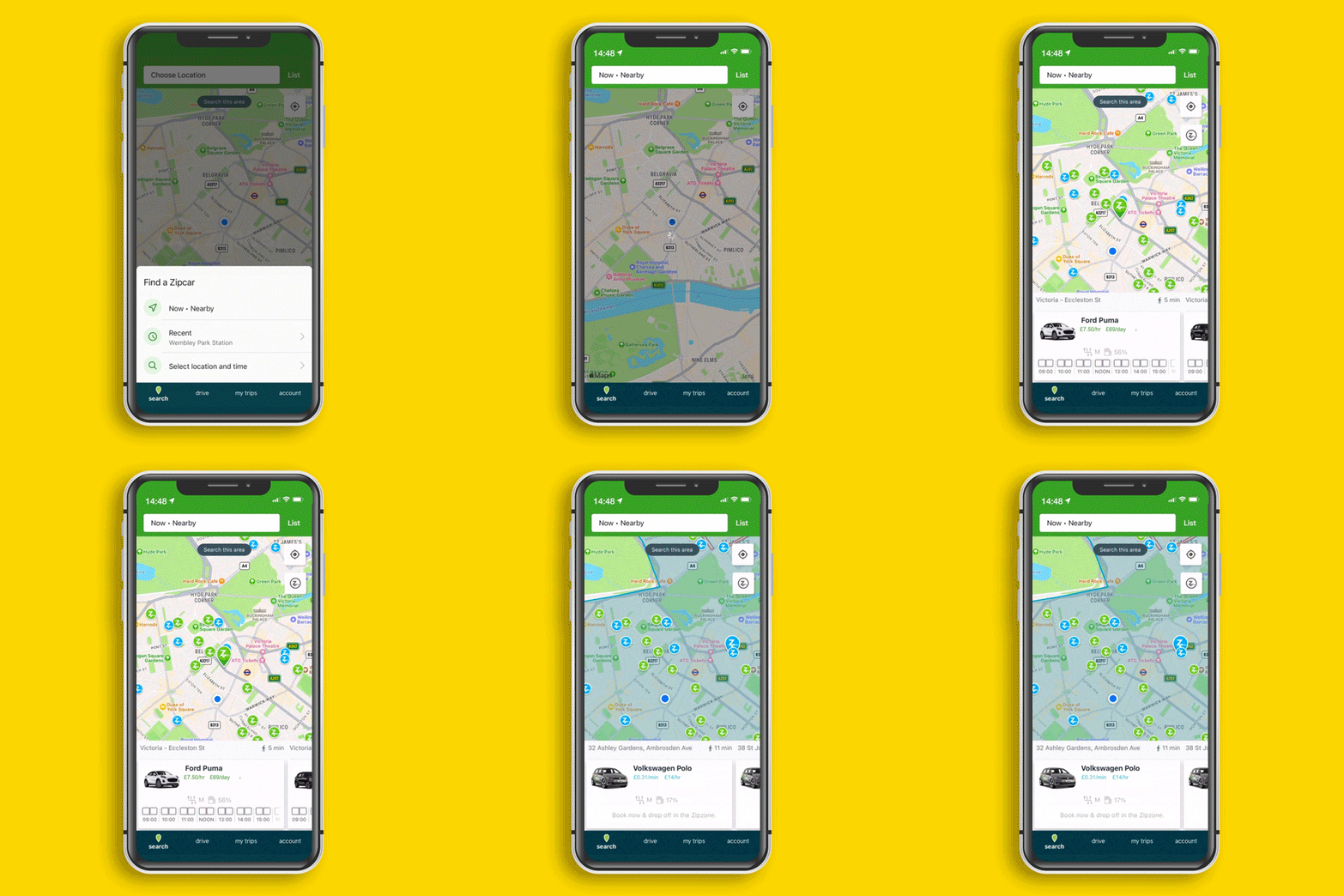
Below are the core features that actually matter in practice, grouped by role.
Core features for users
Smart search and filters
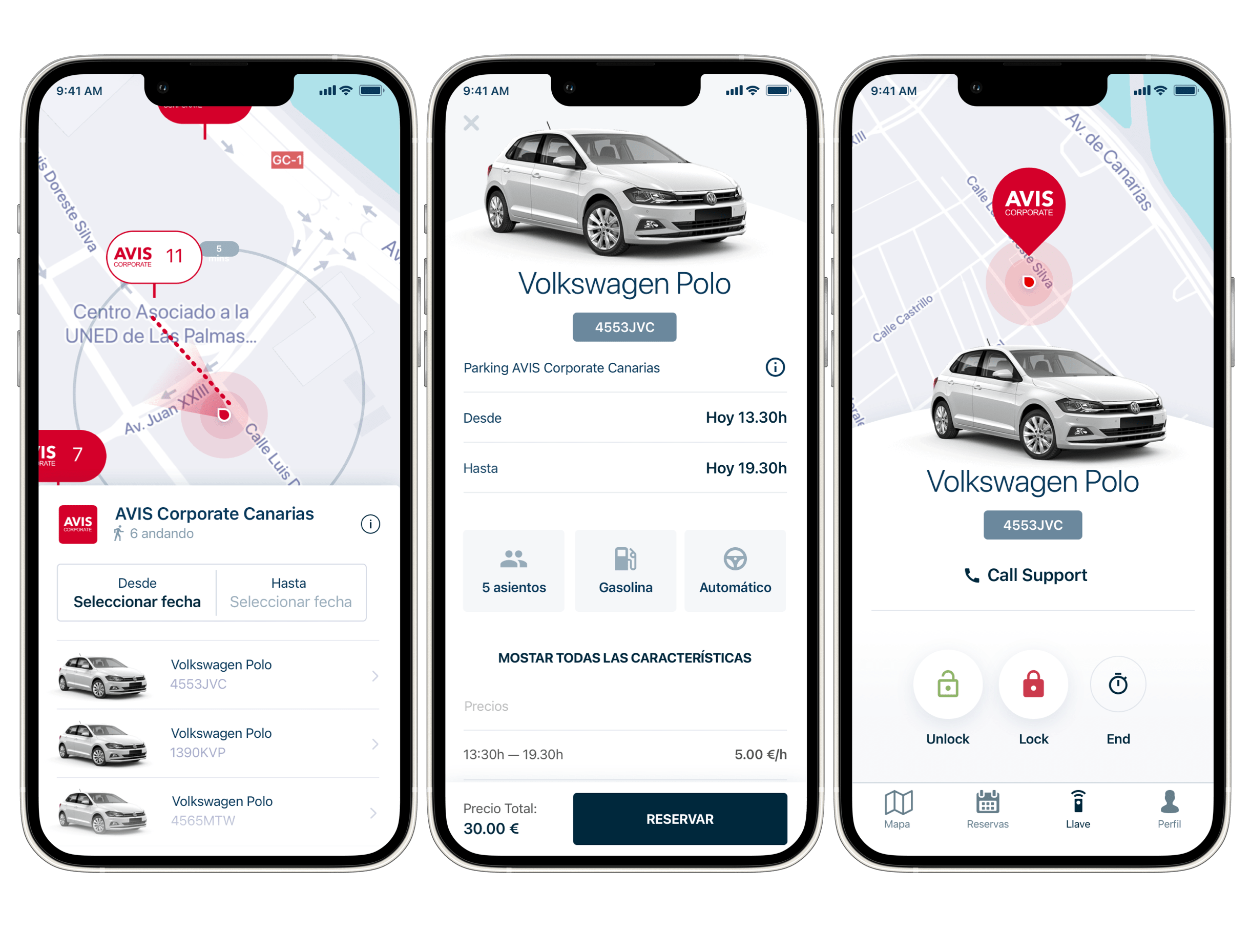
Users should be able to quickly find the right car based on location, dates, price range, car type, transmission, or fuel type. Clear filters save time and directly impact conversion.
Simple booking flow
Booking a car should take just a few steps. Users choose dates, pickup and drop-off options, review the price, and confirm. The fewer screens involved, the higher the chance the booking is completed.
Transparent pricing and cost breakdown
Showing the full rental cost upfront helps avoid friction. A built-in cost calculator that includes rental period, insurance, and extras builds trust and reduces abandoned bookings.
Secure and flexible payments
Support for credit and debit cards is a must, with digital wallets as a strong addition. Payments should feel fast, familiar, and safe, especially for first-time users.
Reviews and ratings
Ratings for cars and owners help users make confident decisions. At the same time, they motivate owners to keep vehicles in good condition and provide better service.
Easy onboarding and verification
Registration should be quick, with clear guidance through profile setup and identity verification. Once verified, users shouldn’t need to repeat the process for every booking.
In-app notifications
Booking confirmations, reminders, pickup instructions, and return alerts keep users informed and reduce missed or late returns.
Features for car owners or fleet partners
Vehicle listing management
Owners need a simple way to add and update car details, upload photos, set availability, and adjust pricing. The easier it is to manage listings, the more active the supply side becomes.
Booking requests and availability control
Real-time booking requests with clear accept or decline actions help owners stay responsive without extra effort.
Earnings and performance overview
A clear dashboard showing income, booking history, and usage trends helps owners understand how their cars perform and when demand is highest.
Insurance and protection options
Built-in insurance options add confidence for both owners and renters and reduce friction around responsibility and risk.
Features for admins and operators
User and vehicle management
Admins should be able to verify users, manage listings, and handle suspensions or approvals from one central dashboard.
Analytics and reporting
Insights into bookings, active users, vehicle utilization, and pricing trends help optimize operations and revenue. Clear data supports better decisions as the platform grows.
Dispute and issue management
A structured way to handle cancellations, damages, or user complaints keeps resolution faster and more consistent.
Customer support tools
A unified support dashboard allows teams to respond to questions, booking issues, or technical problems without switching between systems.
Advanced features worth considering
Once the core is solid, additional features can further improve retention and revenue:
- in-app chat or AI assistant for booking changes and support
- dynamic pricing based on demand and availability
- GPS tracking for security and operational visibility
- corporate tools such as driver assignment and scheduled bookings
- safety features like emergency contact or panic button
Not every car rental app needs all of them from day one. The right feature set depends on the business model, target audience, and growth stage.
A well-designed car rental app focuses first on clarity, speed, and trust. When these basics are done right, both bookings and revenue follow naturally.
How Car Rental Apps Make Money
Choosing the right monetization model early helps align product decisions with long-term revenue goals and keeps the app scalable as demand grows.
Below are the most effective monetization models used by successful car rental apps.
Commission from rentals
This is the core revenue model for most platforms. The app takes a percentage from each completed booking, either from the renter, the car owner, or both. The commission can vary based on car type, rental duration, or demand.
This model works especially well for marketplaces and peer-to-peer platforms, as revenue grows naturally with booking volume.
Direct rental revenue
For companies that own or manage their own fleet, revenue comes directly from rentals. The app acts as a sales and operations channel, handling bookings, payments, extensions, and pricing logic.
Here, profitability depends on smart pricing, high vehicle utilization, and smooth operations rather than volume alone.
Subscription plans
Subscriptions are a strong option for frequent users or corporate clients. Customers pay a recurring fee for benefits like discounted rates, priority bookings, longer rental periods, or access to premium vehicles.
For businesses, subscriptions create predictable revenue and improve customer retention.
Premium listings and featured placements
Car owners or fleet partners can pay to promote their vehicles within the app.
Featured listings, boosted visibility in search results, or highlighted offers help owners get more bookings while creating an additional income stream for the platform.
This model works well once the marketplace has enough supply and demand.
In-app services and add-ons
Extra services can significantly increase the average booking value. Common examples include:
- insurance upgrades
- additional drivers
- child seats or equipment
- extended support or flexible cancellation
These add-ons feel natural to users and generate incremental revenue without complicating the core experience.
Partnerships and integrations
Car rental apps can also earn through partnerships with related services, such as insurance providers, travel platforms, or maintenance services. The key here is relevance. Any integration should support the booking journey, not distract from it.
There’s no single “best” monetization model. Most successful car rental apps combine several approaches and adjust them as the product and audience evolve.
The important part is building monetization into the product experience in a way that feels transparent and fair. When users clearly understand what they pay for and why, revenue growth follows more easily.
How to Develop a Car Rental App Step by Step
Developing a car rental app requires careful planning, clear business logic, and attention to user experience at every stage.
Whether you’re building a peer-to-peer marketplace or an app for your own fleet, a structured development process helps avoid costly mistakes and ensures the product is ready to scale.
Below is a step-by-step guide to building a car rental mobile app.
Planning and analysis
Every successful car rental app starts with thorough planning. This stage defines how the app will work, who it is built for, and how it will generate revenue.
Key steps at this stage include:
- Defining the app’s business model: Will the app support peer-to-peer rentals, a private fleet, corporate rentals, or all of the above? The answer affects onboarding, pricing, insurance logic, and legal requirements.
- Researching the target audience: Are your users tourists, locals, business travelers, or car owners looking to rent out vehicles? Understanding their expectations helps define features such as rental duration, pickup options, and pricing flexibility.
- Setting functional requirements: This includes deciding which features are essential for launch, such as search, booking, payments, and verification, and which can be added later, like subscriptions or loyalty programs.
- Budgeting and timelines: At this stage, you define your budget and desired launch timeline. Your development partner can then propose a project plan, team composition, milestones, and realistic delivery dates.
- Choosing the development approach: You’ll decide between native development for iOS and Android or cross-platform development for faster market entry and cost efficiency. This decision depends on performance requirements, budget, and future scaling plans.
At Perpetio, we support this stage with product discovery, competitor analysis of apps like Turo, Getaround, Sixt, or Europcar, and business consulting to help identify market gaps and realistic growth opportunities.
Design and prototyping
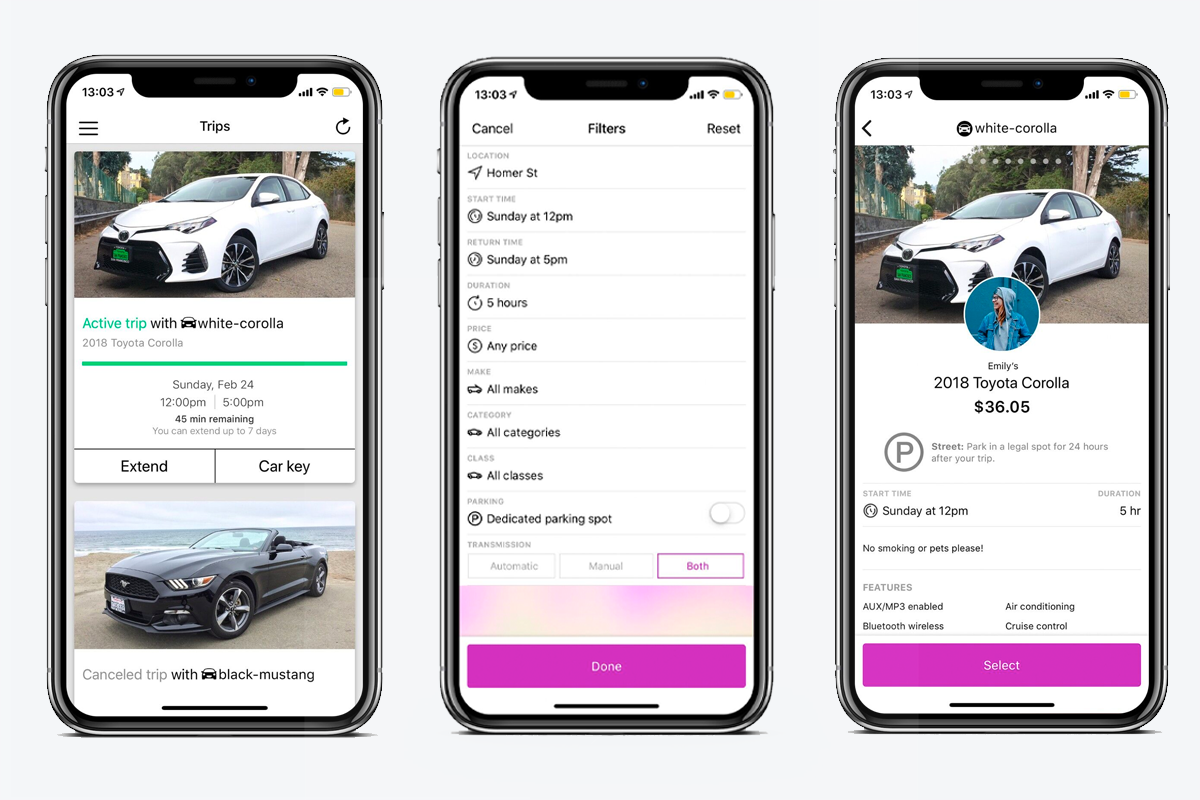
Design plays a critical role in car rental apps, as users expect a fast and transparent booking experience. UX design focuses on minimizing friction and making key actions intuitive.
During this phase, the team works on:
- User flows and journeys: Designers map how users search for cars, compare options, book rentals, and manage reservations. For car owners or fleet managers, separate flows are created for listing vehicles and managing availability.
- Wireframes: Wireframes outline the structure of key screens, such as the search results page, car details, booking summary, and payment screen. This helps align all stakeholders before visual design begins.
- Prototypes: Clickable prototypes allow early testing of the booking flow and help identify confusing steps or missing information before development starts.
Once the structure is approved, UI design adds visual elements like colors, typography, icons, and maps.
Development and testing
With designs finalized, the development phase begins. Developers work on both the front end and back end of the app.
Depending on the project, teams may choose:
- Native development: Using Swift for iOS and Kotlin for Android. This approach is suitable for apps that require high performance, advanced maps, or deep OS integrations.
- Cross-platform development: Using frameworks like Flutter to build a single codebase for both platforms. This is often a practical choice for MVPs and faster launches.
During development, the app is integrated with essential third-party services, such as:
- payment gateways
- map and navigation services
- identity and driver verification tools
- insurance or pricing APIs
Testing runs in parallel with development. QA specialists check:
- functionality of bookings, payments, and cancellations
- performance under high traffic
- usability and clarity of the booking flow
User testing is also recommended before launch to validate real-world usage and catch edge cases.
Deployment and launch
Once testing is complete, the app is prepared for release on the App Store and Google Play. This includes meeting platform requirements, configuring analytics, and setting up monitoring tools.
For car rental apps, this stage may also involve:
- legal and compliance checks
- insurance integrations
- onboarding materials for car owners or staff
A well-planned launch helps avoid operational overload and ensures support teams are ready for early users.
Post-launch support and scaling
After launch, the focus shifts to improvement and growth. Real user data shows how people search, book, and drop off, helping teams prioritize future updates.
Post-launch work often includes:
- fixing bugs and performance issues
- improving pricing and availability logic
- adding monetization features like subscriptions or premium listings
- scaling infrastructure as demand grows
At Perpetio, we support car rental apps beyond launch, helping teams refine features, scale smoothly, and adapt the product as the business evolves.
Consider Perpetio Your Trusted Development Partner
Building a car rental app takes more than development skills. It requires a clear understanding of your business goals, users, and growth plans.
At Perpetio, we help turn ideas into reliable car rental apps that are easy to use and ready to scale. We work with you from the early planning stage to launch and further support, making sure every feature serves a real purpose.
If you are planning a car rental app and want to understand the cost and timeline, contact us for a free consultation and tech plan.