AI for Utility Field Inspections: Turning Photos and Technician Notes Into Maintenance Decisions
A utility crew comes back from the field with hundreds of photos, a stack of technician notes, and a few assets that “looked a little off.” Then what?
AI can extract the relevant fields, match the same data across documents, flag discrepancies, and log why each result was accepted or escalated.
A new insurance claim can come with a surprisingly messy pile of information. There might be photos of the damage, a policy PDF, a claim form, emails from the customer, and several paragraphs of notes from an adjuster.
Healthcare has always run on a simple loop: something goes wrong, a person notices, and only then does treatment begin. This is AI preventive healthcare in practice, and it depends on AI health risk scoring models that turn raw physiological data into something a person can actually act on.
We spent real time inside Bolt.new, building an actual app from a single prompt. This article is the honest version of what we found: the good, the genuinely impressive, and the parts where you will want a real developer in the room.
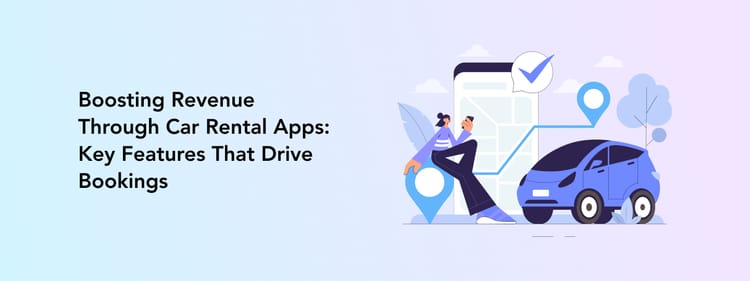
Car rental is no longer just about having cars available. It’s about how easy it is for people to book them. Apps like Zipcar and Turo have set a clear expectation: users want to handle everything in a few taps, without calls, emails, or back and forth.
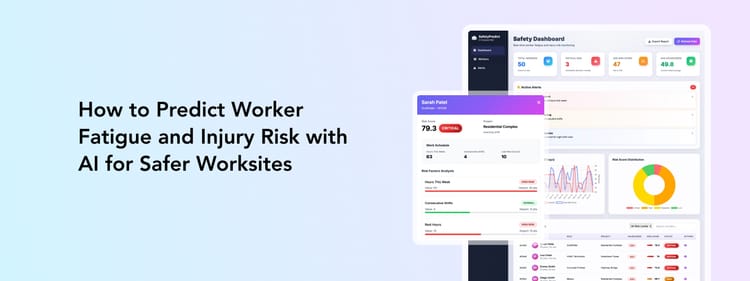
Fatigue is one of the most underestimated risks on construction sites. It builds up slowly but affects reaction time, decision-making, and overall safety in a very real way.
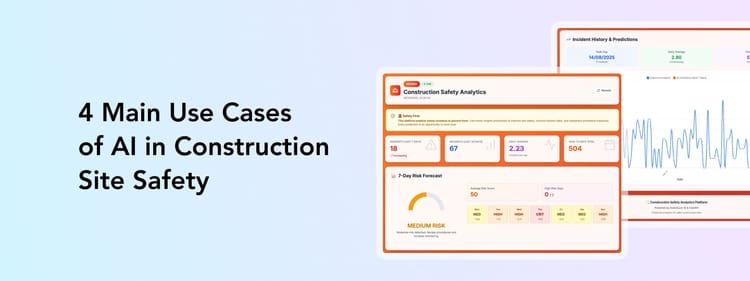
Construction sites remain one of the most dangerous workplaces. In 2022, over 1,000 workers lost their lives on construction sites in the U.S. What if we could change that?
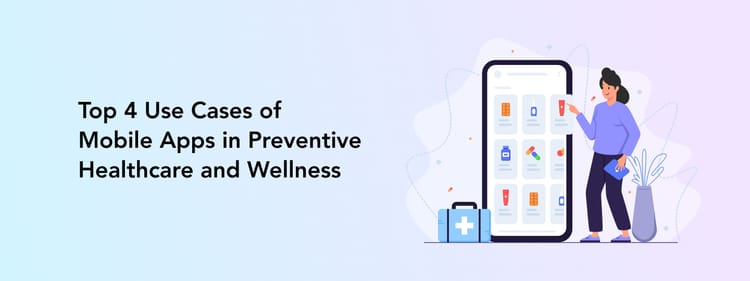
Did you know that 84 million Americans use healthcare mobile apps, and around 30% of them rely heavily on these apps to manage their health?